Software should fit the operation.
Norbital lets teams build and run custom operational apps on one shared system for data, workflows, permissions, automations, and agents.
Why we started
We started Norbital in Singapore in 2024. We kept seeing the same problem: a business process would outgrow its software, then move into spreadsheets, chat threads, forms, and manual reports.
Adding another point tool did not solve the underlying issue. The team still had to copy data, reconcile status, and manage a second permission model. We built Norbital so each workflow can have the right screens without creating another isolated system.
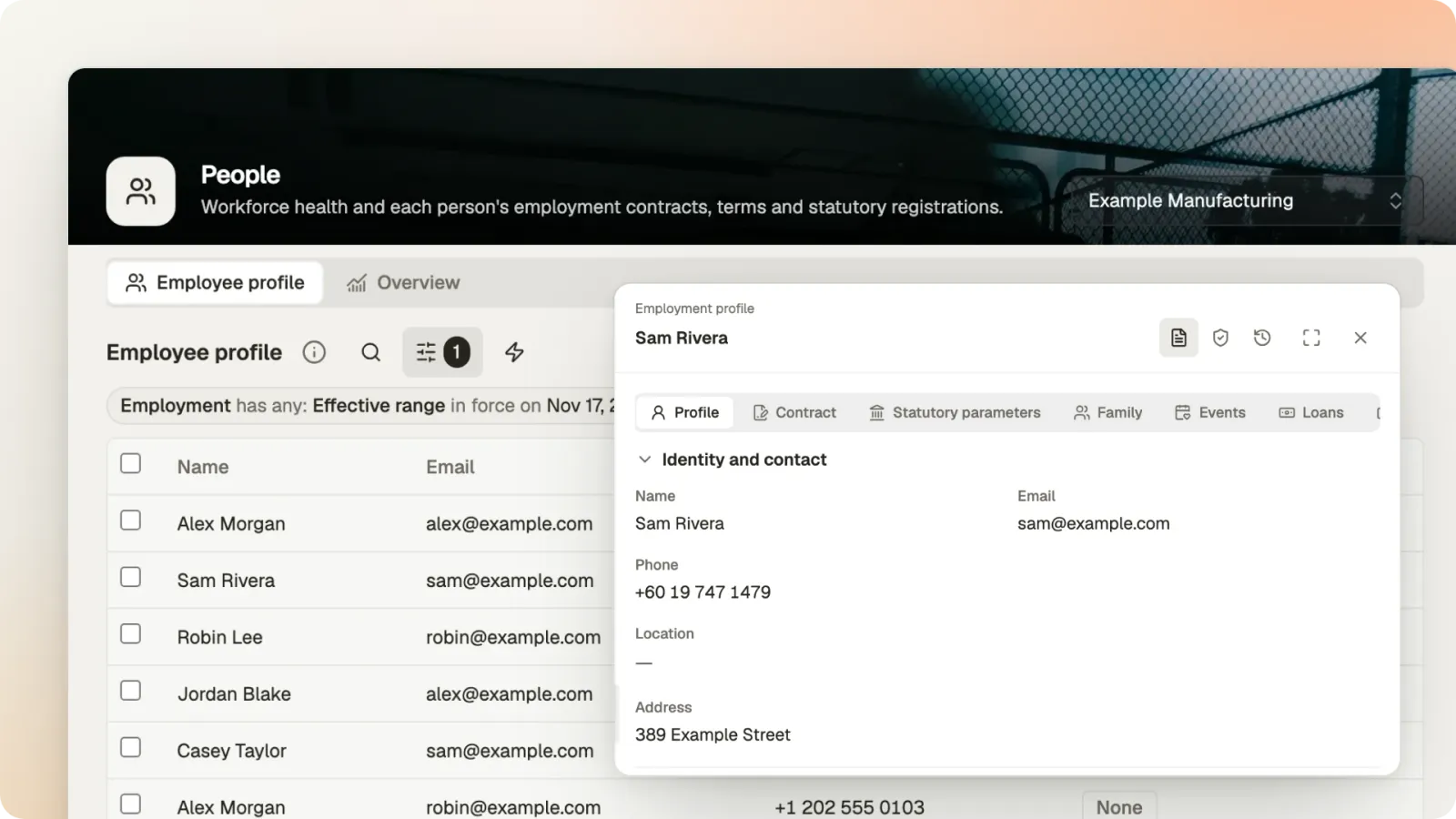
How the product works
Norbius builds alongside you
Describe how your operation works. Norbius reads the workspace, proposes changes, and checks its work in a preview. You review the change before it reaches the live system.
Bolt gives every app a shared foundation
Our open-source framework (AGPLv3) defines models, business rules, policies, screens, and automations in one compact TypeScript and Svelte codebase—portable to any host.
Colony runs the workspace
Studio, version history, releases, hosting, and isolated workspace data live together. The system stays editable as the operation changes.
Product principles
Source is the definition
Schema, policies, apps, and automations are reviewable, testable, and versioned source code.
Releases are controlled
Changes reach a live workspace only through a merge, after its checks and tests pass. A schema change runs as a reviewed migration, and live can roll back to an earlier version.
One access model
Apps, automations, and agents use the same workspace policies. Adding a new interface does not create a separate set of permissions.
Screens match the job
Each team gets the forms, queues, dashboards, and actions required for its work. Users do not need to work directly with the underlying schema.